

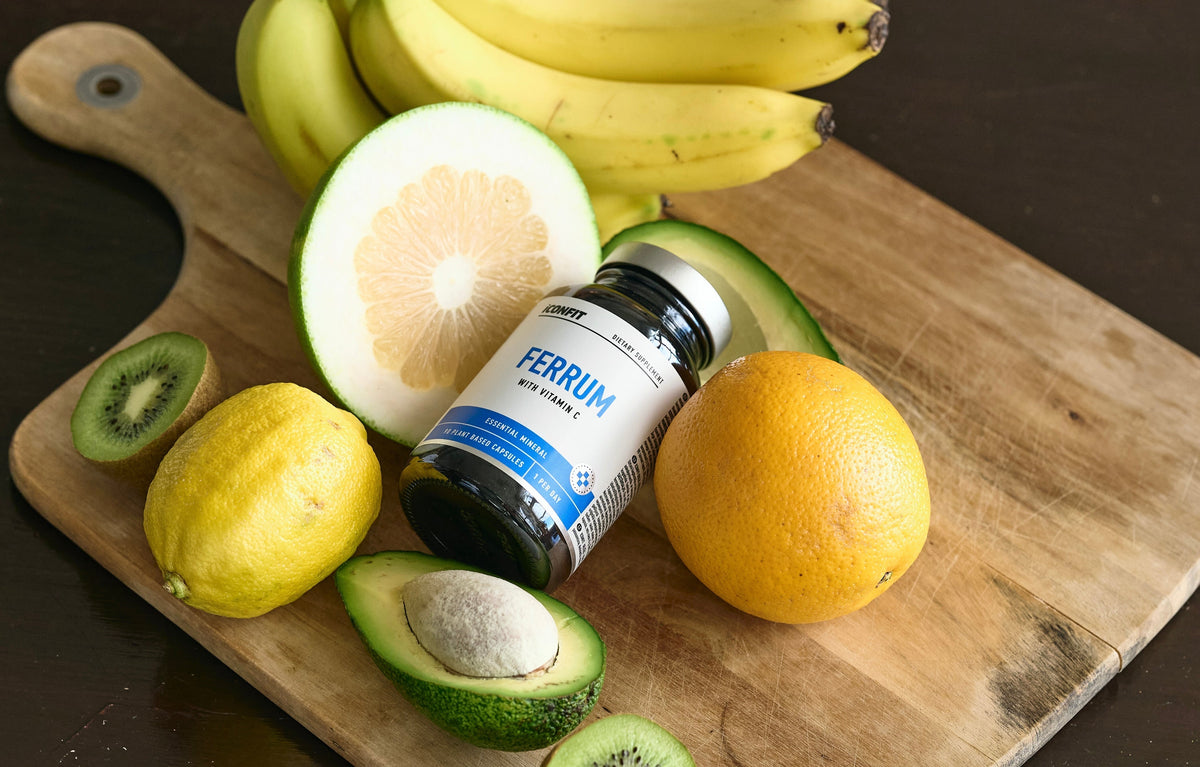
Iron, also known as ferrum, is a vital mineral substance that plays a role in the body that goes far beyond just blood counts. When there is too little iron, cells do not receive enough oxygen, which can affect energy levels, mental performance and overall well-being.
Iron deficiency often develops slowly and its initial symptoms are usually non-specific. This is why iron deficiency often goes unnoticed in its early stages.
Blood tests, especially ferritin, which reflects the level of iron stores in the body and may indicate iron deficiency even before anemia develops, can provide important clarification here.
In this blog post, we look at the bigger picture: what iron is and why the body needs it, how iron deficiency occurs, what symptoms it manifests as and what blood tests actually show. Awareness is the first step towards preventing and resolving iron deficiency.

What is Iron and Why is it Important for The Body?
Iron is a vital mineral substance, participating in oxygen transport, energy production and DNA synthesis. Iron plays a central role in the transport of oxygen from the lungs to the tissues. Namely, the body uses iron in the bone marrow to produce new red blood cells (erythrocytes). The main function of red blood cells is to transport oxygen in the body, for which hemoglobin is needed — a protein inside red blood cells that contains iron and binds oxygen. It is thanks to hemoglobin that red blood cells can do their job. Without it, they would be like empty trucks with nothing to deliver.
If the body has too little iron, not enough hemoglobin is produced and oxygen transport in the body is impaired. As a result, the cells do not receive enough oxygen, which reduces the energy supply of the cells. This in turn leads to a situation where organs and tissues cannot function normally.
The body cannot synthesize iron on its own, so we must get our daily iron from food or, if necessary, from supplements.
Iron that the body does not immediately need is stored as ferritin, mainly in the liver, spleen and bone marrow, acting as an iron reserve and buffer in case of iron deficiency. However, in the case of excess iron, this protective mechanism can be exhausted and the iron is deposited in tissues in a harmful form, causing oxidative stress and cell damage. Therefore, the saying “More is not always better” also applies to iron.
How Much Iron does the Body Need?
The European Food Safety Authority (EFSA) has set Recommended Daily Intakes (RDI) for iron, which indicate how much iron is needed to meet the needs of most people and prevent iron deficiency.
Iron requirements in adults- Men and postmenopausal women – an average of 11 mg of iron per day
- Menstruating women – 16 mg per day, need more iron due to menstrual losses
- Pregnant and breastfeeding women – the recommended amount is the same as for women of menstrual age, because the body is better able to absorb iron and use existing reserves during pregnancy and breastfeeding.
- Infants (7–11 months) – 11 mg of iron per day
- Children 1–6 years – 7 mg of iron per day
- Children 7–11 years – 11 mg of iron per day
In children, iron requirements take into account both growth and covering iron losses.
Iron requirements in adolescents
During puberty, the need for iron increases, especially in girls.
- Boys 12–17 years – 11 mg of iron per day
- Girls 12–17 years – 13 mg of iron per day, taking into account both growth and the onset of menstruation
If your body needs help replenishing its iron stores, the high-quality ICONFIT supplement will help you.

Iron Safety – More is Not Always Better
The exact threshold above which iron becomes harmful is not known. The European Food Safety Authority (EFSA) has therefore estimated safe intake levels for iron – i.e. amounts at which no adverse effects have been observed. These estimates are particularly important for users of dietary supplements, as iron can be obtained from multiple sources (food + dietary supplement).
Safe intake levels of iron determined by EFSA:
- Adults, including pregnant and lactating women – up to 40 mg of iron per day, includes iron from both food and supplements
- Infants 4–11 months – 5 mg of iron per day as supplemental iron (from fortified foods or food supplements). Does not apply to breast milk or infant and follow-on formula
- Children and adolescents – 1–3 years: 10 mg per day, 15–17 years: up to 35 mg per day. Intermediate age groups fall between these values.
The ICONFIT iron complex helps cover the increased iron needs during pregnancy. Check out the product HERE
What is Iron Deficiency and How does it Occur in the Body?
Iron deficiency is a condition in which the body's iron stores are depleted and hemoglobin production is impaired. As a result, oxygen transport to tissues is reduced, which can lead to dysfunction of various organs and the development of iron deficiency anemia. Iron deficiency does not automatically equate to iron deficiency anemia, but is only classified as anemia when hemoglobin falls below certain thresholds.
A distinction is made between absolute iron deficiency (iron stores are depleted) and functional iron deficiency, where iron stores may be present, but due to chronic inflammation, iron is not available to the body. Treatment depends on the cause and includes oral iron supplements as the first choice, and intravenous iron therapy if necessary, especially in chronic inflammatory conditions.
How Does Iron Deficiency Occur in the Body?
There can be various reasons for iron deficiency. However, they can be divided into the following groups according to their cause:

- Insufficient iron intake – iron-deficient diet or inadequate intake in the face of increased need
- Increased iron needs – pregnancy, growth periods, intense sports
- Impaired iron absorption – gastrointestinal diseases (e.g. celiac disease), bariatric surgery, medications that reduce stomach acidity, dietary factors that inhibit absorption
- Chronic inflammation – inflammatory and chronic diseases in which iron availability is limited
- Chronic blood loss – heavy menstruation, gastrointestinal bleeding, frequent blood donation
Symptoms of Iron Deficiency – How the Body Signals
Iron deficiency can develop gradually and go unnoticed at first, as symptoms may appear before iron deficiency anemia develops. Because iron is important not only for blood but also for energy metabolism in muscles, the brain and cells, the body can signal iron deficiency in a number of different ways.
The most common signs of iron deficiency are:

It is important to remember that not all of these symptoms need to occur at the same time and their intensity can vary from person to person. If similar symptoms persist for a long time, it is worth considering iron deficiency, even if blood tests have not yet indicated anemia. Early attention to the problem helps prevent the worsening of iron deficiency and related health problems.
Iron deficiency does not mean iron deficiency anemia. Anemia develops when iron deficiency becomes severe and the body is no longer able to produce enough hemoglobin, which is responsible for transporting oxygen in the blood.
Iron Deficiency Anemia — What Happens to the Body?
As iron deficiency worsens, iron deficiency anemia can develop — a condition in which the body is no longer able to produce enough hemoglobin, a protein found in red blood cells that is responsible for transporting oxygen to tissues. In the event of iron deficiency, red blood cells become smaller and lighter, which reduces the oxygen supply to tissues.
The most common cause of iron deficiency anemia is chronic blood loss, especially from the gastrointestinal tract or heavy menstruation. Other causes of iron deficiency, as discussed above, also play a role. Infants and young children are at greater risk if they consume too much cow's milk, as the simultaneous consumption of calcium and iron can reduce iron absorption.
The most common complaints are fatigue, weakness, shortness of breath on exertion, and decreased work capacity. In children, iron deficiency anemia can cause cognitive and developmental disorders.
Physical examination may reveal pallor, increased heart rate, and in more severe cases, worsening heart failure.
How Common is Iron Deficiency Anemia?
Iron deficiency anemia is one of the most common nutritional deficiencies in the world. According to the World Health Organization (WHO) , anemia affects about half of pregnant women in developing countries and about a quarter of pregnant women in industrialized countries. The risk is particularly high in women of childbearing age and children, among whom iron deficiency is widespread even in developed countries.
Ferritin and Iron Deficiency – What do Blood Tests Show?
The iron storage protein ferritin is the main indicator for assessing the body's iron stores. Although ferritin is mainly located in the liver, spleen and bone marrow, a small but informative amount of it is measured in the blood. Serum ferritin levels are directly related to the size of the body's iron stores — low levels indicate depletion of iron stores and are often the earliest laboratory sign of iron deficiency. Elevated ferritin levels, on the other hand, may indicate iron overload.
It is important to know that iron deficiency can also occur with normal hemoglobin levels. In this case, we speak of iron deficiency without anemia, which can still cause fatigue, difficulty concentrating and decreased work capacity.
Ferritin should be interpreted with caution, as it is an acute phase protein. In cases of inflammation, infection or chronic disease, ferritin levels may increase even when iron stores are actually low. Therefore, iron status is often assessed in conjunction with other indicators, such as transferrin saturation, which helps to better assess the actual availability of iron in the body.
Treatment of iron deficiency and iron deficiency anemia focuses first on identifying the cause. Oral iron therapy is most often used and should be continued even after hemoglobin normalizes to restore iron stores. Intravenous iron is used if oral therapy is not tolerated, absorption is impaired, or iron requirements are high.
Natural Sources of Iron — Iron From Food
Iron is found in two forms in food — heme and non-heme iron. Their sources and absorption are different. Let's take a closer look at them.
Heme Iron
Heme iron comes from animal sources and is best absorbed by the body. Its absorption is relatively little affected by other food components.
Main sources:
- meat – beef, lamb, pork
- poultry – chicken, turkey
- seafood – salmon, sardines, tuna
- organ meat – liver, pate

Non-Heme Iron
Non-heme iron comes from plant sources and iron-fortified products. Its absorption depends largely on what the iron is consumed with.
Main sources:
- iron-fortified bread and breakfast cereals
- legumes – beans, lentils, chickpeas
- whole grain products – bread, pasta
- nuts and seeds – e.g. pumpkin seeds
- dried fruits – apricots, dates, raisins
- dark green leafy vegetables – spinach, broccoli, beet tops
- tofu
What Affects Iron Absorption?
Several foods, beverages, and compounds found in food can promote or inhibit the absorption of iron from food.

In a typical Western diet, the effects of these promoters and inhibitors are mostly moderate and do not significantly affect iron status in most people.
How Much iron is actually absorbed?
- 14–18% of iron is absorbed from a mixed diet
- 5–12% of iron is absorbed from vegetarian food.
Iron From Supplements — What to Choose?
In situations where insufficient iron is obtained from food, its absorption is impaired, or the body's need for it has increased, iron supplements can come to the rescue.
However, iron is not an “innocent” mineral. The wrong form of iron, too high a dose, or unreasonable use can cause side effects and health risks. Therefore, it is wise to consult a doctor or nutritionist before using iron supplements, especially in cases of pregnancy, chronic diseases or long-term use.
What Kind of Iron is Used in Supplements?
Iron is found in dietary supplements mainly in two forms: ferric and ferric salts. These forms are not equal – they differ in both bioavailability and gastrointestinal tolerance.
Iron(II) salts — e.g. iron(II) sulfate, iron(II) gluconate
- the most commonly used form of iron and is well absorbed by the body
- In higher doses (about 45 mg per day or more), it may cause nausea, constipation, or other digestive problems.
Iron(III) salts
- dissolve less well and the body may not absorb them as efficiently
Alternative forms of iron — e.g. heme iron polypeptides, carbonyl iron
- may be more gentle on the stomach and better suited for people who experience digestive problems with conventional iron supplements
It's not just how much iron is in the capsule that matters, but how much of it is elemental iron that the body can use. Fortunately, you don't have to calculate this yourself, because it's written on the product packaging.
ICONFIT supports your journey to restore iron stores with a supplement containing highly absorbable iron(II) diglycinate and vitamin C, which further enhances absorption.

Meet ICONFIT Iron with vitamin C here
Iron deficiency often develops gradually and can go unnoticed for a long time, as its symptoms are often vague and non-specific. Fatigue, weakness or difficulty concentrating may not immediately indicate iron deficiency, but they can be the first signs of it. Blood tests – especially ferritin tests – can help assess the body's iron stores and detect a deficiency before iron deficiency anemia develops.
Iron balance in the body is important, as both iron deficiency and excess iron intake can be harmful to health. Awareness of the role, need and safety of iron, as well as the causes of iron deficiency, is the first step in maintaining health. Early detection and identification of the cause help prevent iron deficiency and, if necessary, effectively treat it.
ICONFIT offers iron supplements that pay attention to both the form and dosage of iron to support informed and responsible use.
Links to Sources:
- Iron Supplementation, National Library of Medicine
- Physiology, Oxygen Transport, National Library of Medicine
- Iron Overload and Toxicity, National Library of Medicine
- Iron Deficiency Anemia, National Library of Medicine
- Iron deficiency without anemia: a diagnosis that matters, ELSEVIER, ScienceDirect
- Serum or plasma ferritin concentration as an index of iron deficiency and overload, Cochrane Library
- Scientific opinion on the tolerable upper intake level for iron, European Food Safety Authority
- Scientific Opinion on Dietary Reference Values for iron, European Food Safety Authority
- Iron, National Institutes of Health
- Top 10 Foods Highest in Iron, MYFOODDATA
- Iron-Rich Foods: Sources and Supplements, WebMD
- Foods High in Iron, healthdirect
- Iron Supplementation, National Library of Medicine
- Iron Deficiency Anemia Assessment, Prevention, and Control, WHO