

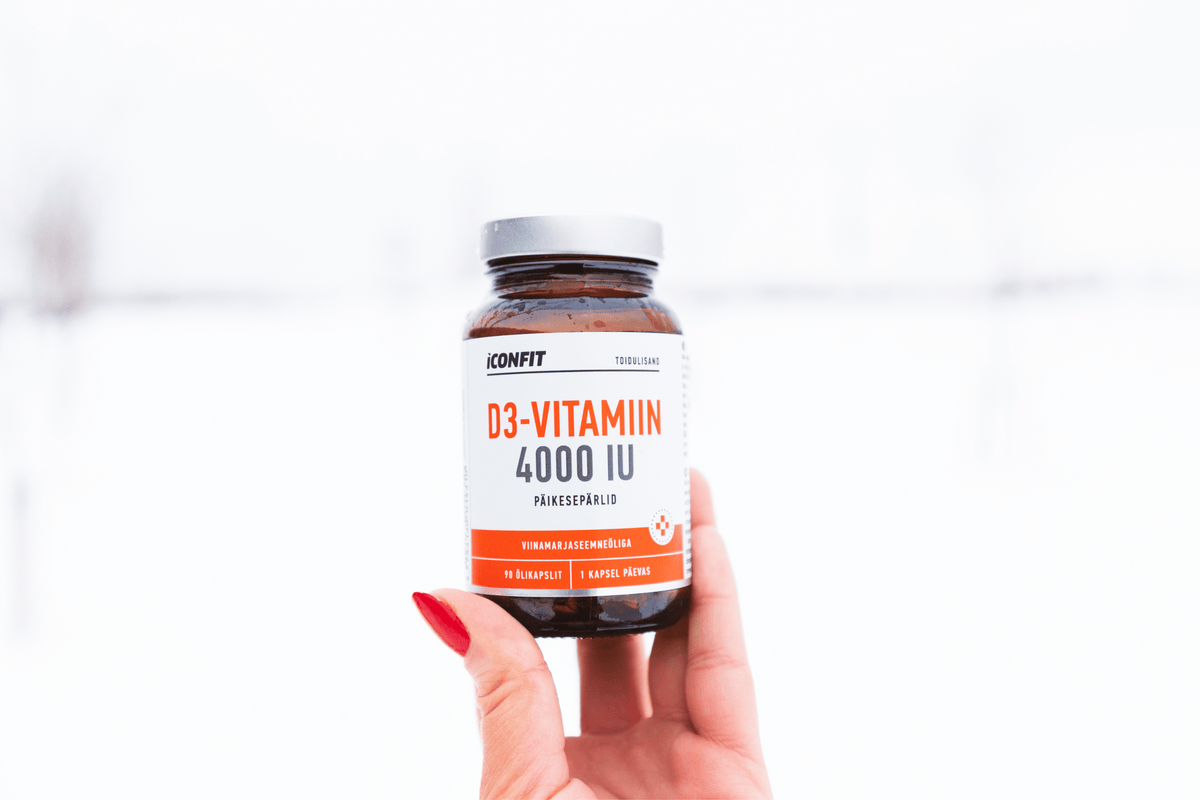
We rarely see sunlight during the winter, and by February it seems as if we have lived through the darkness of eternity. The long winter has left its mark and we may no longer have as much energy as autumn or summer. One of the causes of exhaustion may be a lack of vitamin D in the body, which is a widespread problem in our climate. Many are fleeing the long winter to a warm country, which helps to replenish the sun's vitamin reserves for a while, but they do not last long. That is why it is important to take vitamin D3 supplementation in our climate during the winter. Health is our most precious asset and we should not forget to take care of it for a moment.
Natural Sources of Vitamin D
Our body produces vitamin D from the skin through direct sunlight when we are outdoors. From about April until the end of September, most people should get all the vitamin D they need from sunlight. During the winter, when we have a roomy lifestyle and rarely see the sun, it is easy for the body to develop a vitamin D deficiency. Experts estimate that about 50% of people worldwide have too low a vitamin D level, while up to 1 billion people are severely deficient in vitamin D. Maintaining optimal vitamin D levels is essential for bone, brain and immune system health.Vitamin D is also obtained from a small number of foods, including fatty fish such as salmon, mackerel, herring and sardines, as well as red meat. and eggs.
Vitamins D2 and D3 are the most talked about. The body does not synthesize D2 and it is obtained from food (plants and some fungi). D3 is of animal (mainly fish) origin, but most of the vitamin D3 is synthesized in the skin by UVB radiation.
The following factors affect the level of vitamin D in your body:
- farba pokožky : Pigment melanín absorbuje ultrafialové žiarenie (UVR) a chráni hlbšie vrstvy pokožky pred poškodením UV žiarením. Znižuje aj množstvo UV žiarenia dostupného v pokožke na syntézu vitamínu D. Čím tmavšia je vaša pokožka, tým dlhšie sa musíte zdržiavať na slnku, aby ste získali dostatok vitamínu D.
- zemepisná poloha alebo klimatické pásmo : Mestá v blízkosti rovníka majú vyššiu úroveň ultrafialového žiarenia. Práve UV žiarenie zo slnečného svetla spôsobuje, že pokožka produkuje vitamín D.
- životný štýl: Niektorí ľudia trávia vonku veľmi málo času z dôvodu rôznych zdravotných problémov alebo práce vnútri. V dôsledku toho ich pokožka nedostáva dostatok slnečného žiarenia.
- diet: People who don't eat enough vitamin D foods are more likely to be exposed to vitamin D deficiency.
- body weight: Vitamin D deficiency is more common among overweight people . This relationship may be due to the effect of body fat on the absorption of vitamin D. This audience can also experience mobility issues and therefore spend less time outdoors.
- absorption problems: Crohn's disease, celiac disease, and other conditions can affect it how the gut absorbs nutrients, including vitamin D.
- lieky: Niektoré lieky znižujú schopnosť tela absorbovať alebo syntetizovať vitamín D. Patria sem steroidy a niektoré lieky na znižovanie cholesterolu
- vek : schopnosť obličiek premieňať vitamín D na kalcitriol sa môže s vekom znižovať v dôsledku poklesu funkcie. V dôsledku toho sa znižuje aj vstrebávanie vápnika.
- tehotenstvo: Požiadavka na vitamín D sa môže počas tehotenstva zvýšiť. < / span>
Why is Vitamin D So Important?
- Keeps bones and teeth strong : protects us with healthy and strong bones various diseases, including rickets. Rickets is a serious disease that causes children 's bones to become weak and brittle. This is due to a lack of vitamin D in the body, as the body needs it to use calcium and phosphorus to build bones. If the bones in adults are weak and fragile, the disease is called osteomalacia. Vitamin D also plays a key role in promoting dental health and preventing tooth decay and gum disease. Vitamin D allows the digestive system to absorb calcium from food, which together with phosphorus creates the bone structure that forms tooth enamel.
- Calcium absorption: Vitamin D with calcium helps build bone and keep them strong and healthy. Weak bones can cause osteoporosis, which can lead to fractures. Vitamin D also promotes calcium absorption.
- Making your parathyroid gland work more efficient : Your parathyroid glands work from minute to minute to balance calcium levels in the blood in contact with the kidneys, intestines and bones. When there is enough calcium and enough active vitamin D in the diet, the calcium from the food is absorbed and used throughout the body. When calcium intake is inadequate or vitamin D is low, the parathyroid glands "borrow" calcium from the skeleton to keep blood calcium levels within the normal range.
- Prevention of Depression: Low levels of vitamin D have been associated with depression. This may be due to the fact that vitamin D and its receptors are found in areas of the brain that are involved in mood and behavior. Vitamin D plays an important role in maintaining healthy brain function.
- Heart Disease Prevention: Studies have shown a link between low blood vitamin D between heart disease and related complications. Low levels of vitamin D also indicate health problems associated with heart disease, such as atherosclerosis, high blood pressure, diabetes, and stroke.
- Strengthening the immune system: One of the most important functions of vitamin D is to maintain the immune system. by interacting directly with the cells that are responsible for fighting infection so that our body can fight the viruses and bacteria that cause disease. If you get sick often, especially if you have a cold or the flu, it could be due to low levels of vitamin D in your body. Several studies have found an association between vitamin D deficiency and respiratory infections (eg colds, bronchitis and pneumonia). It has also been found that taking vitamin D supplements at doses up to 4,000 IU per day can reduce the risk of developing respiratory infections.
Possible Symptoms of Vitamin D Deficiency:
- common illnesses or infections
- fatigue
- bone and back pain
- časté výkyvy nálady
- vypadávanie vlasov
- svalová bolesť
Ak nedostatok vitamínu D pretrváva dlhší čas, môže to viesť ku komplikáciám, ako sú:
- kardiovaskulárne ochorenia
- autoimunitné choroby
- neurologické ochorenia
- infekcie
- komplikácie v tehotenstve
- niektoré druhy rakoviny, najmä rakovina prsníka, prostaty a hrubého čreva
Vitamín D ako výživový doplnok - Kedy a ako?
Vitamin D is a fat-soluble vitamin, which means that it is insoluble in water and is best absorbed into your bloodstream with high-fat foods. . Therefore, it is recommended to take vitamin D supplements with food on an empty stomach to improve absorption. For example, avocados, nuts, seeds, whole-fat dairy products, and eggs are high-fat foods that help increase the absorption of vitamin D.It is recommended to take vitamin D in the morning or afternoon. In fact, the timing of your vitamin D intake also depends on your daily schedule. Rather, avoid evening intake, as some studies have found that vitamin D can inhibit the production of melatonin (a sleep hormone), which in turn helps us sleep better and ensures long-term sleep.
As vitamin D deficiency is widespread in Estonia and elsewhere in the world, many people use vitamin D supplements to maintain their health. healthy vitamin D.